Automatic fire suppression systems for electrical cabinets, control panels and switchgear
AeroXSense designs and manufactures in France automatic fire suppression systems for electrical cabinets, control panels, switchboards, switchgear, photovoltaic installations, battery energy storage systems and other critical electrical enclosures. Our linear heat detection technology acts directly above the risk area, enabling suppression during the earliest stage of a fire and before costly damage spreads throughout the equipment.
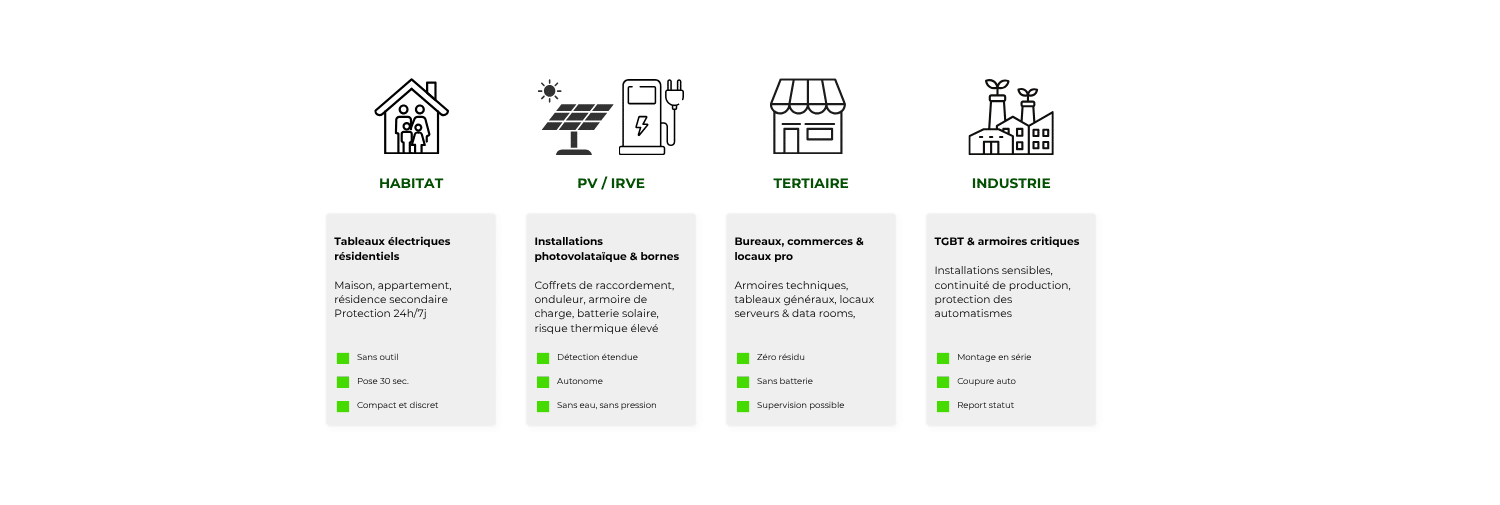
Electrical panels, control cabinets, switchgear, photovoltaics, data centres, telecom and battery energy storage systems.
Intervene before an electrical fault becomes a developed fire
Most electrical fires start at one connection, terminal, contactor, breaker, power supply, inverter, PLC or electronic board. AeroXSense detects and suppresses the fire directly where it starts.
Detection inside the enclosure
The detection route follows the components most likely to overheat.
The first small flame
The objective is to act while the flame remains comparable to a lighter or a match.
Critical equipment preserved
Early action limits involvement of nearby cables, boards and devices.
Reduced business interruption
Protecting the cabinet can significantly reduce downtime.
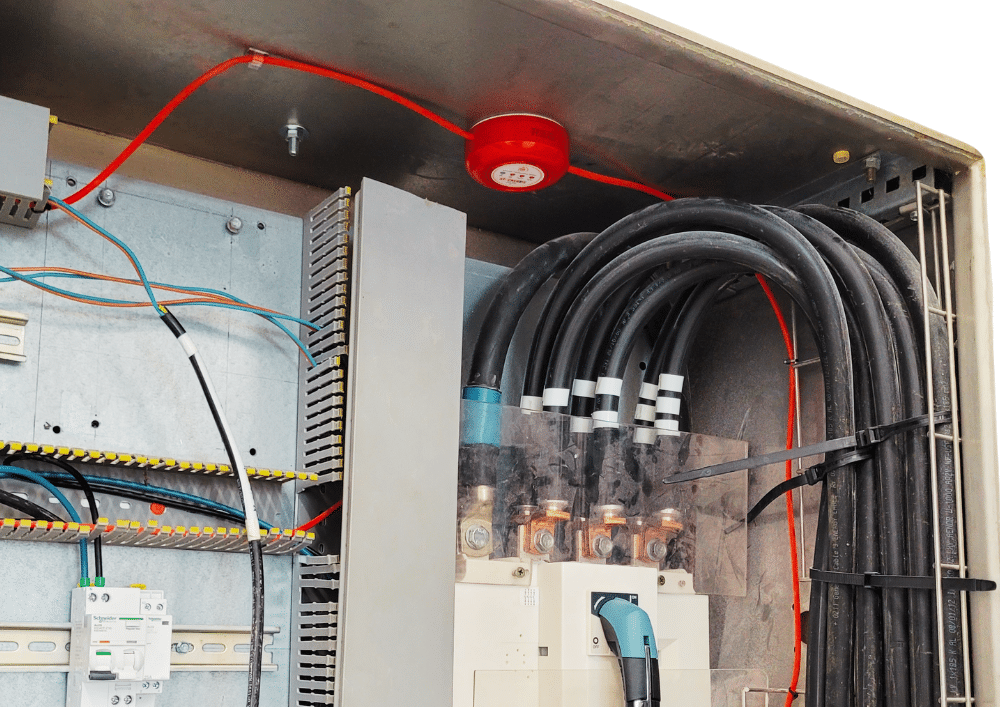
Early detection, automatic activation, suppression and reporting
The system can operate autonomously while also communicating with the site’s technical and fire safety infrastructure.
Detection
Linear heat detection follows terminals, breakers, contactors, drives and power supplies.
Activation
The generator activates automatically when the detection threshold is reached.
Suppression
Condensed aerosol interrupts the combustion chain reactions.
Reporting
Dry contact, BMS, SCADA, fire alarm, radio, power isolation or fan shutdown.
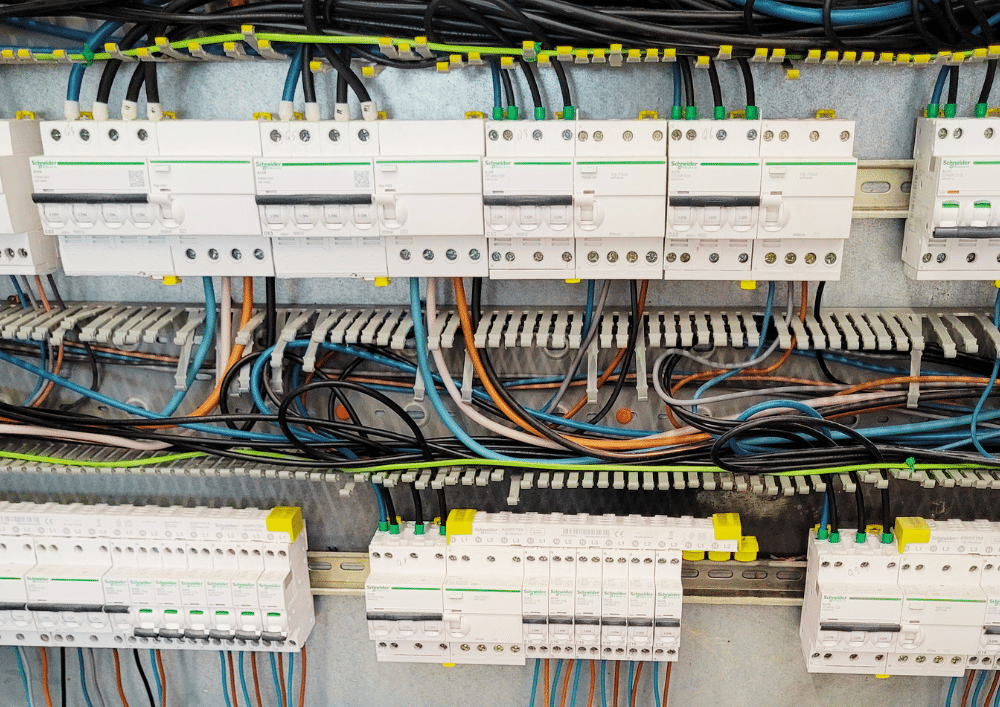
Automatic fire suppression for every electrical enclosure
The international homepage places greater emphasis on professional and industrial applications while retaining a dedicated residential solution.
Residential Range
Electrical panels, small enclosures, residential photovoltaic equipment, pool control boxes and light commercial applications.
Professional Range
Control cabinets, automation, HVAC, telecom, photovoltaics, EV charging, IT equipment, UPS systems and technical enclosures.
Industrial Range
Large electrical cabinets, switchgear, main switchboards, BMS, BESS, critical infrastructure and compartmented installations.
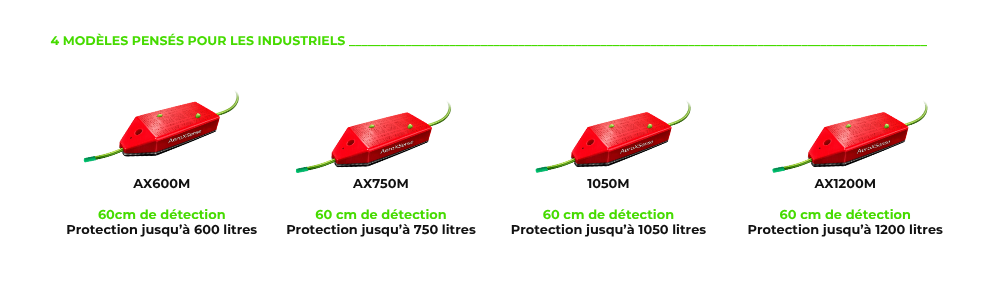
Fire suppression sizing is not based on volume alone
Two electrical cabinets with the same internal volume may require completely different system architectures.
Internal volume
Defines the minimum extinguishing capacity.
Cabinet width
Affects coverage, range and the number of generators.
Compartments
Metal partitions may block distribution and create separate volumes.
Ventilation
Fans and extraction can reduce agent retention time.
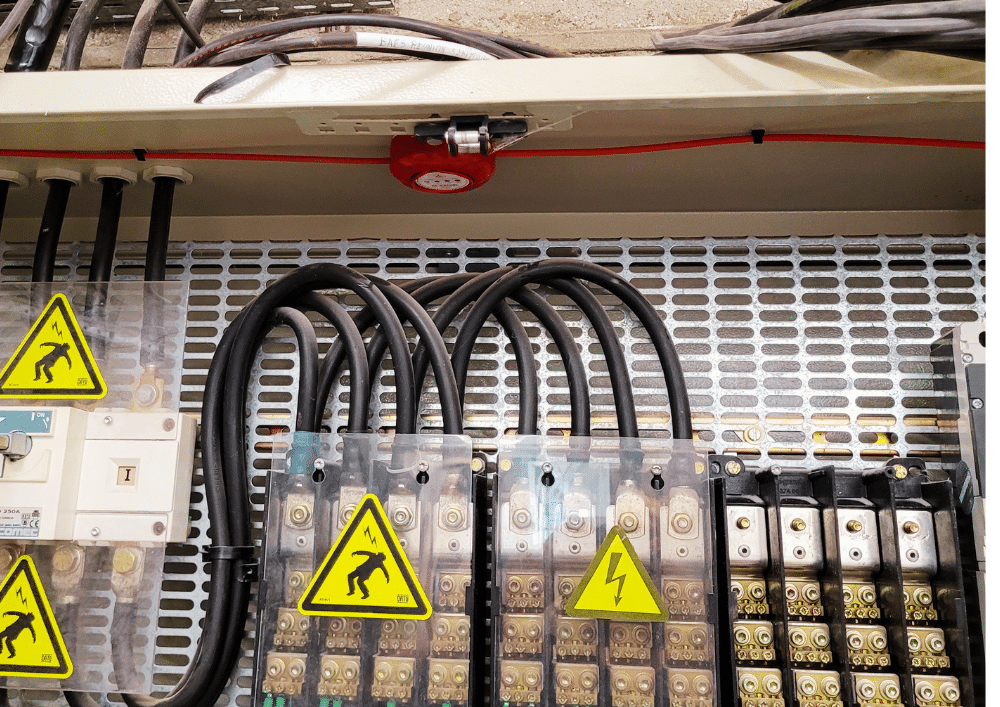
Automatic fire suppression for critical electrical equipment
Electrical Panels
Breakers, terminals, connections and distribution rows.
Electrical Cabinets
Professional and industrial electrical equipment.
Switchgear & Main Switchboards
Cell-by-cell engineering and distributed protection.
Photovoltaic Systems
AC/DC cabinets, protection panels and technical equipment.
Solar Inverters
Power electronics, AC/DC terminals and ventilation.
EV Charging Stations
Power, control and protection equipment.
Control Panels & Automation
PLCs, drives, relays and power supplies.
Server & Data Cabinets
PDU, UPS, power supplies and network equipment.
Telecom Cabinets
Rectifiers, 48 V systems and remote sites.
HVAC Control Cabinets
Motors, drives and ventilated control equipment.
Battery Cabinets & BESS
Distributed protection for BMS and power cabinets.
Electrical Rooms
Complementary room and cabinet protection strategies.
Why local suppression protects more than the building
Room-level detection may only react after smoke has escaped the enclosure. By that stage, cables, PLCs, drives, power supplies and electronic boards may already be damaged.
| Criterion | Local Cabinet Protection | Room Protection |
|---|---|---|
| Intervention area | Inside the cabinet | Inside the room |
| Detection stage | Very early | After smoke leaves the cabinet |
| Component protection | Primary objective | Components may already be damaged |
| Protected volume | Small and targeted | Large |
| Business continuity | Better preserved | Higher risk of prolonged downtime |
| Complementary use | Yes | Yes |
Connect fire suppression to your technical infrastructure
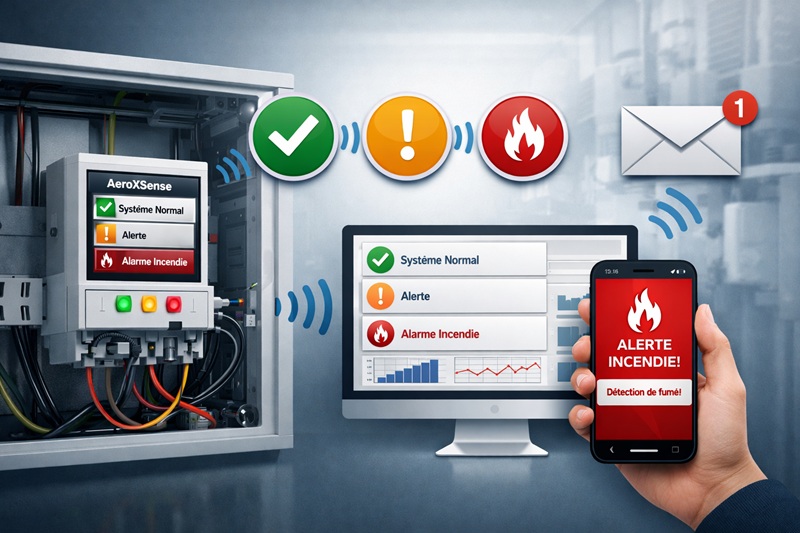
The system can operate autonomously while transmitting its status and triggering associated actions across the site.
BMS / SCADA
Status reporting to building and industrial management systems.
Fire alarm / PLC
Integration into the site fire strategy and automation.
Radio / remote monitoring
Communication for distributed and remote installations.
Associated shutdowns
Fan shutdown, power isolation and dry contact reporting.
AeroXSense designs, develops and manufactures its systems in France
Our expertise includes product design, detection technology, fire testing, system sizing, industrialisation, assembly, quality control, traceability and OEM developments.
Engineering and R&D
Development of products and application-specific protection architectures.
French manufacturing
Assembly, testing and traceability managed in France.
Engineering support
System sizing and technical assistance for integrators and specifiers.
OEM and international markets
Custom development and adaptation for partners worldwide.
Technical support adapted to your role
Installers and Integrators
Product selection, documentation, system sizing, installation support and training.
Distributors
Professional product ranges, technical resources, commercial support and market development.
Consultants and Specifiers
Engineering support, sizing notes, specification assistance and CCTP-equivalent documentation.
Industrial Operators
Retrofit projects, business continuity, monitoring and protection of existing assets.
No system is selected arbitrarily
AeroXSense reviews internal dimensions, usable volume, width, height, compartments, ventilation, obstacles, power zones, detection routing and monitoring requirements.
Technical Data Review
Dimensions, photographs, drawings, ventilation and operating constraints.
Engineering Assessment
Risk zones, compartments, agent distribution, detection and interfaces.
Technical Recommendation
Product references, installation position, cable routing and final architecture.
Plan your fire suppression project
How to Select a System
Choose an architecture suited to your installation.
System Sizing
Volume, width, compartments and ventilation.
Linear Heat Detection
Detection routing directly above risk areas.
Condensed Aerosol
Understand chemical inhibition of combustion.
Mistakes to Avoid
Avoid sizing, installation and ventilation errors.
Top-Mounted Installation
Understand generator positioning and detection routing.
Protect Fire at its Source
Compare local suppression with room protection.
Monitoring Interfaces
BMS, SCADA, fire alarm, radio and shutdown functions.
Automatic fire suppression for electrical cabinets and switchgear
What is an automatic fire suppression system for electrical cabinets?
Which electrical equipment can be protected?
How is the correct AeroXSense system selected?
Why use linear heat detection?
Can the system be connected to BMS, SCADA or a fire alarm system?
Can ventilated electrical cabinets be protected?
Does local fire suppression replace building fire protection?
Does AeroXSense provide engineering and system sizing?
Protect critical electrical equipment before a small fault becomes a major incident
AeroXSense supports system analysis, product selection, detection routing, engineering sizing and integration with your site’s technical infrastructure.